Let’s say your septic system is acting up. You’ve got slow drains, maybe a bad smell near the yard, or worse — water backing up into the house. None of it’s good, and now you’re stuck asking the big question:
Should I repair this thing or just replace it?
It’s a tough call, and it depends on a bunch of different factors — some obvious, some not so much. As folks who’ve been working on systems like this across Sonoma County since the 60s, we can tell you this: the answer usually starts with a close look at what’s actually happening below ground.
We’re going to walk you through it — what to look for, what it might cost, and how regular services like Sonoma County septic pumping play into all of this.
TL;DR: Key Takeaways
If your septic system is acting up (slow drains, smells, or soggy spots in the yard) it’s time to figure out whether you need a repair or a full replacement. Here’s the quick breakdown:
- Repair makes sense if the problem is small (like a blocked pipe, bad baffle, or full tank).
- Replace if the system is old (25+ years), the drain field is shot, or you’ve had too many costly fixes lately.
- Septic pumping every 3–5 years is crucial. It prevents major issues and helps spot problems early.
- Inspections give you clear answers — no guesswork. We check your tank, flow, and drain field before recommending anything.
- L.J. Construction has nearly 60 years of hands-on experience in Sonoma County. We don’t upsell — we find real solutions that last.
First: What is Your System Doing?
If you’re not 100% sure how your septic system works, no judgment. It’s not exactly dinner table conversation. But knowing the basics helps you spot issues before they become big, messy problems.
Here’s the short version:
- All the wastewater from your home flows into the septic tank
- Solids settle to the bottom, grease and scum float to the top
- The liquid in the middle (called effluent) flows out to your drain field
- That drain field is where the water gets filtered naturally through the soil
When the tank isn’t pumped often enough or something breaks down, the whole setup can get overwhelmed. That’s when problems start — and when “repair or replace” becomes a real decision.
Red Flags to Watch For
Not every issue means your whole system is done for. But some problems are serious enough that putting them off will cost you a lot more later.
Here are some signs that something’s not right:
- Your sinks or showers are draining super slow
- You hear strange gurgling sounds coming from the pipes
- The grass over your drain field is way greener than the rest of the yard
- You’re catching a whiff of sewage when you step outside
- Toilets or drains are backing up
If it’s one small issue, a repair might do the trick. But if these symptoms are piling up, it’s time to dig deeper — literally and figuratively.
When To Repair: Basic Guide
If your system isn’t too old and the damage is isolated, a septic tank repair is often the way to go. Here are a few common situations we see in Sonoma County:
Cracked or blocked pipes
This happens a lot. Roots grow into old lines, or the pipe shifts over time. Replacing a section of pipe is a straightforward fix.
Baffles or filters need replacing
These are inside the tank and help keep solids from making it out to the drain field. If they’re broken, it’s usually a quick repair.
Small drain field issues
Sometimes just one part of the field is oversaturated or compacted. We can often repair or redirect flow without replacing the whole field.
The tank’s just full
Seriously, sometimes the tank just hasn’t been pumped in years. One Sonoma County septic pumping appointment can fix what feels like a major issue.
When to Replace: Basic Guide
Some problems are just too far gone for repairs to make sense. And if you’ve already sunk money into patching things up more than once, of if you’ve neglected your general septic maintenance to the point of no return, you may be ready to start fresh.
Here’s when replacement is probably the smarter move:
Your system is 25+ years old
Even well-maintained systems have a lifespan. If yours is pushing 30 and things are starting to go wrong, replacing it now can save you from dealing with one problem after another.
Your drain field has failed
If the drain field is totally saturated or clogged and not draining at all, you can’t just fix the tank. The whole system stops working.
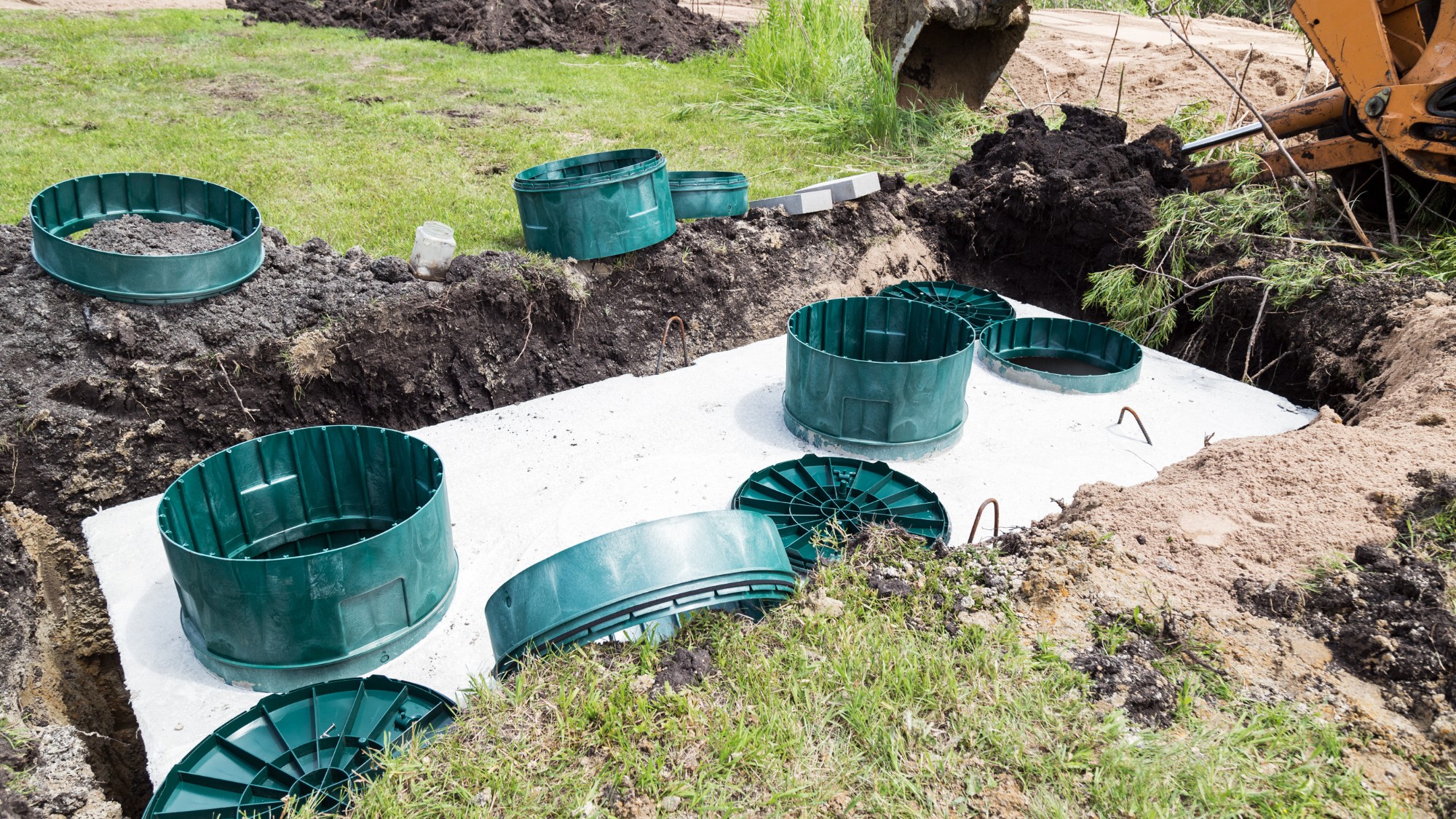
The tank is cracked or collapsing
We’ve seen tanks that were fine for decades suddenly crack wide open from corrosion or shifting soil. If the structure is compromised, it’s unsafe to keep using it.
You’ve had multiple repairs in a short time
A few hundred dollars here, a thousand there — it adds up fast. If you’re patching a new problem every few months, it’s probably time to put that money into something that’ll actually last.
Don’t Skip Regular Septic Pumping!
This one’s big. Regular septic pumping is the best way to extend the life of your system and avoid both big repairs and early replacement.
Here’s why Sonoma County septic pumping should be part of your routine:
- It removes the solids that can clog up your drain field
- It keeps sludge from backing up into your house
- It gives a professional the chance to catch problems early
- It lets the system do what it was designed to do without stress
If it’s been 3–5 years since your last pump, or you’re not sure when it was, it’s time to schedule one. Pumping is cheaper than repairing damage caused by an overflowing tank.
What Happens During a Septic Inspection
Not sure if your system needs a repair or a total replacement? Call for an inspection. At L.J. Construction, we do a full check-up before giving you advice. We don’t guess.
A proper septic inspection includes:
- Checking sludge and scum levels in the tank
- Looking for cracks or signs of leakage
- Testing flow from the house to the tank
- Evaluating the condition of the drain field
Based on that, we’ll give you honest recommendations and break down your options in plain English. No upsell, no pressure.
Still Unsure? Ask These Questions
- How old is the system?
- Have you kept up with Sonoma County septic pumping and maintenance?
- Are problems getting worse over time?
- How long do you plan to stay in this house?
- Are you tired of patching the same issues?
Your answers will point you in the right direction. And if you’re still on the fence, we’re always here to talk it through.
Need a Second Opinion on Your Septic? Call L.J. Construction
At L.J. Construction, we’ve been helping homeowners across Sonoma County make the right call for nearly 60 years. Whether you need a small fix, a new system, or just want to know what’s really going on under your lawn, we’ve got you covered.
We also offer dependable Sonoma County septic pumping that keeps things running smoothly and helps you avoid big decisions like this for as long as possible.
Give us a call at (707) 823-0247 or contact us on our website. We’ll take care of it.
FAQ: Septic Repair vs. Replacement
Here’s what we get asked most about repairing vs. Replacing septic systems:
How do I know if I should repair or replace my septic system?
Start by identifying the symptoms. If it’s one or two minor issues (like a blocked pipe or full tank), a repair might do the job. But if your system is over 25 years old or you’ve had multiple fixes recently, replacement could be the smarter long-term choice.
What are signs my septic system needs attention?
Slow drains, gurgling pipes, soggy or overly green grass above the drain field, sewage smells, or backups in your home are all red flags. Don’t ignore them — they usually get worse with time.
How often should I pump my septic tank in Sonoma County?
Every 3–5 years is the general rule. Regular pumping keeps solids from clogging your drain field and helps catch issues early before they become big expenses.

President / Owner, L J Construction
LJ Construction is a family owned and operated business that was founded in 1966. We provide full-service septic tank repair, installation and maintenance. With years of experience in commercial and residential projects, our goal is to find a solution to all of your system issues. We adhere to the highest industry standards.
Our reputation is built on our name and we are proud to say LJ Construction offers more than integrity alone, we offer effective results. LJ Construction is licensed and insured and we look forward to serving you!